THE TRAVELLING TABLE

“Hi, where are you from?”
It may be the most frequently asked question among travellers. You hear it in hostel kitchens, beside empty seats on long train journeys, during walking tours and at meetups where nearly everyone has arrived alone.
It sounds like a request for a place name. But it is rarely only that.
The question is an acknowledgement that the person in front of you comes from a world different from your own. Their home may have another language, another climate, another idea of family, food, work, celebration or an ordinary Sunday afternoon.
In a few words, the vividness of the world becomes visible again.
A simple way to begin
Starting a conversation with a stranger can feel difficult in everyday life. We wonder whether we are interrupting, whether we have anything in common or whether the other person wants to talk at all.
Travel changes that social distance.
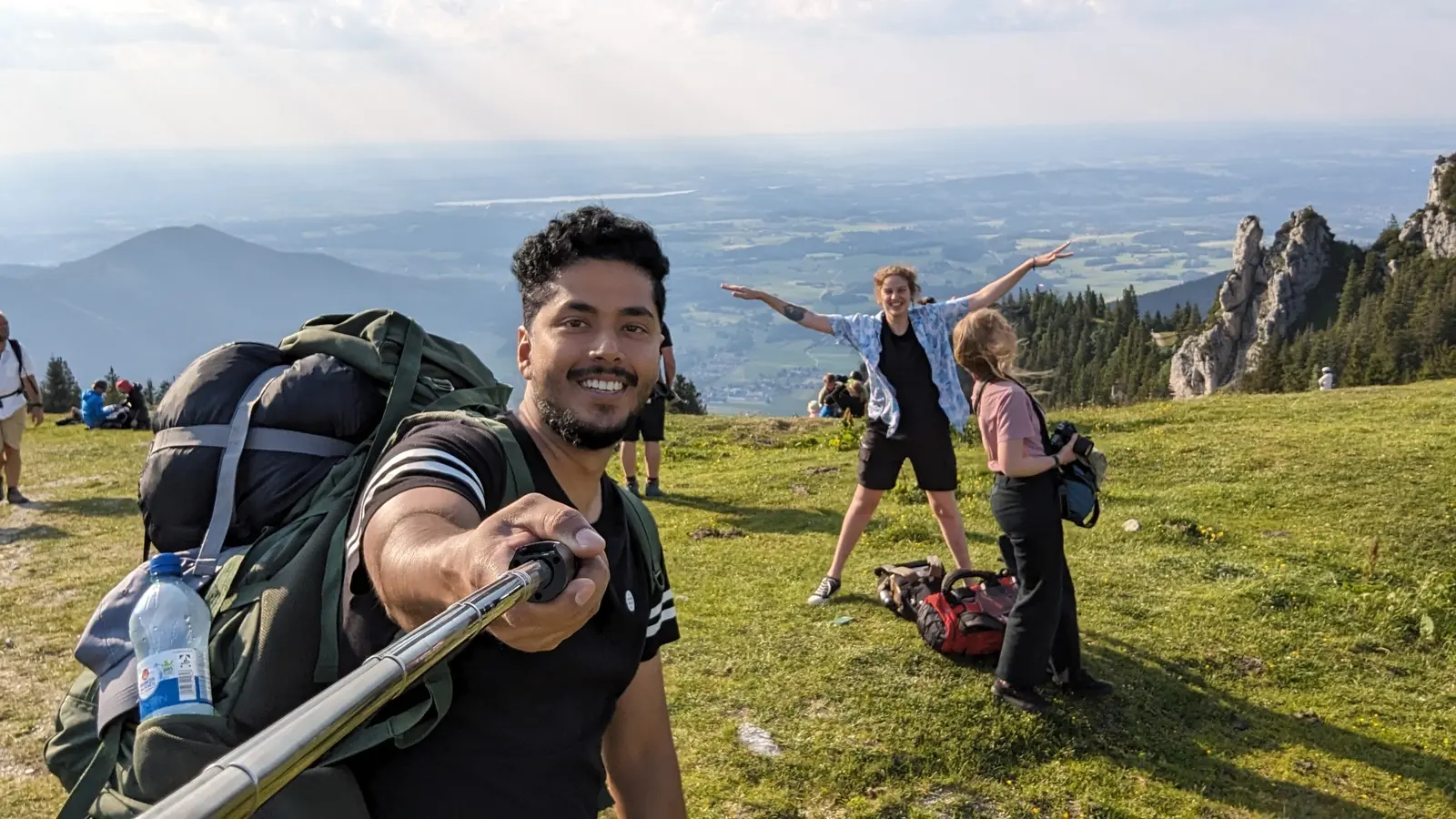
In a hostel, both of you are far from home. At a meetup, everyone has chosen to enter a room of unfamiliar faces. On a group trip, the route itself gives people something to share before they know anything else about one another.
“Where are you from?” becomes a kind of permission. It says: I do not know you yet, but I am curious.
The answer usually begins with a city or a country. Then come the questions that reveal a person rather than a point on a map. What is it like to grow up there? What food do you miss? What surprised you about this place? How long have you been travelling? Where are you going next?
A new interaction has begun.
The world beyond our own world
One of the most fascinating parts of travelling is discovering how limited our picture of the world can be.
We naturally build our understanding from what surrounds us: our family, neighbourhood, education, media and the people we meet regularly. That world can feel complete until someone describes a life organised in a completely different way.
A traveller may tell you about winter days with almost no sunlight, a festival you have never heard of, a small town shaped by the sea or a family tradition that has continued for generations. They may describe political realities, social customs or everyday freedoms that are very different from your own.
You do not have to agree on everything. In fact, some of the most memorable conversations begin with surprise or disagreement. The important part is realising that another person’s experience can be true even when it does not resemble yours.
Travel expands the world not only by showing us new places, but by introducing us to people who see those places differently.
Friendships without a long history
Friendships formed while travelling often develop quickly.
At home, relationships may grow through weeks or months of repeated contact. On the road, time feels compressed. Two people can meet over breakfast, explore a neighbourhood together in the afternoon and share stories that evening that they have never told people they have known for years.
Part of this openness comes from being outside familiar roles. Nobody knows your job title, your school reputation or the version of you that your oldest friends remember. You meet one another as you are in that moment: curious, uncertain and somewhere new.
The friendship may last for a day, a season or many years. Its value is not determined by its length.
Some people remain a good memory attached to a particular city. Others become the reason you visit a country you had never planned to see. A few continue to appear across the years—in messages, reunions and invitations to tables far from where you first met.
The plans that were never plans
Travellers often begin with schedules. There are routes, bookings, saved locations and lists of things that must not be missed.
Then someone at the next table asks what you are doing tomorrow.
An unplanned walk becomes a full day. A casual conversation turns into a shared train journey. A recommendation leads to a neighbourhood that was absent from every itinerary. You change your route because a group is heading somewhere interesting, or stay another night because the people around you have made an unfamiliar place feel comfortable.
Not every random plan will be perfect. The café may be closed, the bus may be late and the destination may be less impressive than expected. Yet those imperfect days often become the stories people remember most clearly.
Spontaneity makes room for participation. Instead of only observing a place, you begin responding to it—and to the people you meet there.
Travel, connection and mental space
Travel does not automatically solve loneliness, exhaustion or poor mental health. A journey can also be tiring, uncertain and overwhelming.
But stepping outside a familiar routine can create useful mental space. New surroundings demand attention. Conversations interrupt repetitive thoughts. Walking through an unknown area can bring a sense of movement when everyday life has begun to feel fixed.
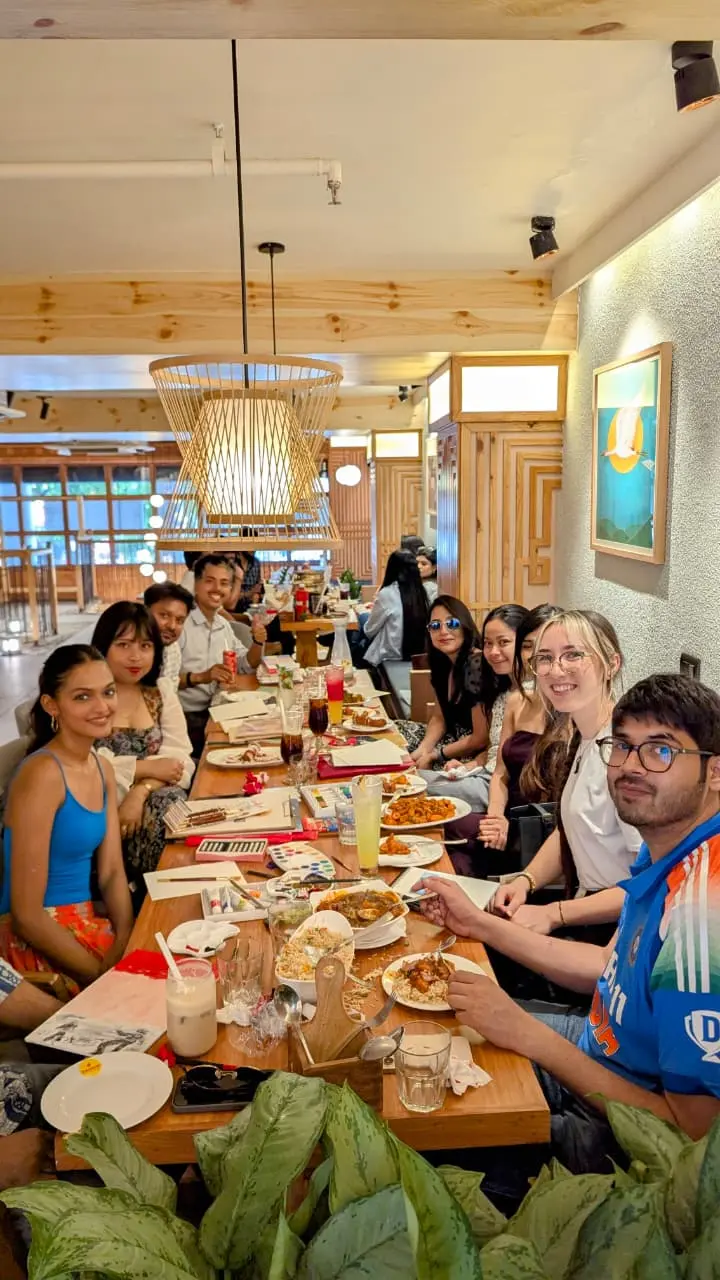
Most importantly, travel can create opportunities for connection. A shared meal, an unexpected conversation or an invitation to join a plan can remind us that belonging is possible in places where we initially know nobody.
That can support our wellbeing—not because every trip transforms us, but because curiosity and human connection give the mind somewhere new to go.
We may benefit from travelling more frequently, but frequent travel does not have to mean constant flights or ambitious itineraries. It can be a weekend in a nearby city, a day trip without a checklist, a local walk with visitors or a meetup with people whose lives are different from ours.
The distance matters less than the willingness to leave our usual bubble.
Ask the question and stay for the answer
“Where are you from?” is sometimes criticised as predictable traveller small talk. Perhaps it is predictable. That does not make it meaningless.
The question becomes interesting when we listen beyond the name of the place. When we ask what home feels like, what someone carries from it and what they have discovered since leaving.
Around hostel tables and at meetups across the world, the same simple exchange continues to bring strangers together. It reminds us that the world is larger, stranger and more vivid than the small part of it we experience every day.
You may begin the conversation because you have no plan for the evening. You may accept an invitation because there is an empty seat. You may follow a random idea simply because it feels worth trying.
And somewhere between “Hi” and the story that follows, a stranger may become a friend.